Readers want rapid, responsive, interactive sites, and they expect those experiences to feel frictionless across every touchpoint, whether they’re checking the latest news, browsing a long-read feature or filtering through a content archive. For many enterprise teams, however, meeting those expectations introduces unnecessary complexity. Editorial workflows get disrupted, development overhead grows, and seemingly simple features can become costly, one-off builds.
To close that growing gap between audience expectations and platform limitations, WordPress introduced the Interactivity API in 2024, offering a native method to build dynamic features without layering on additional complexity.
Getting started with the Interactivity API
A long term fix for short term hacks
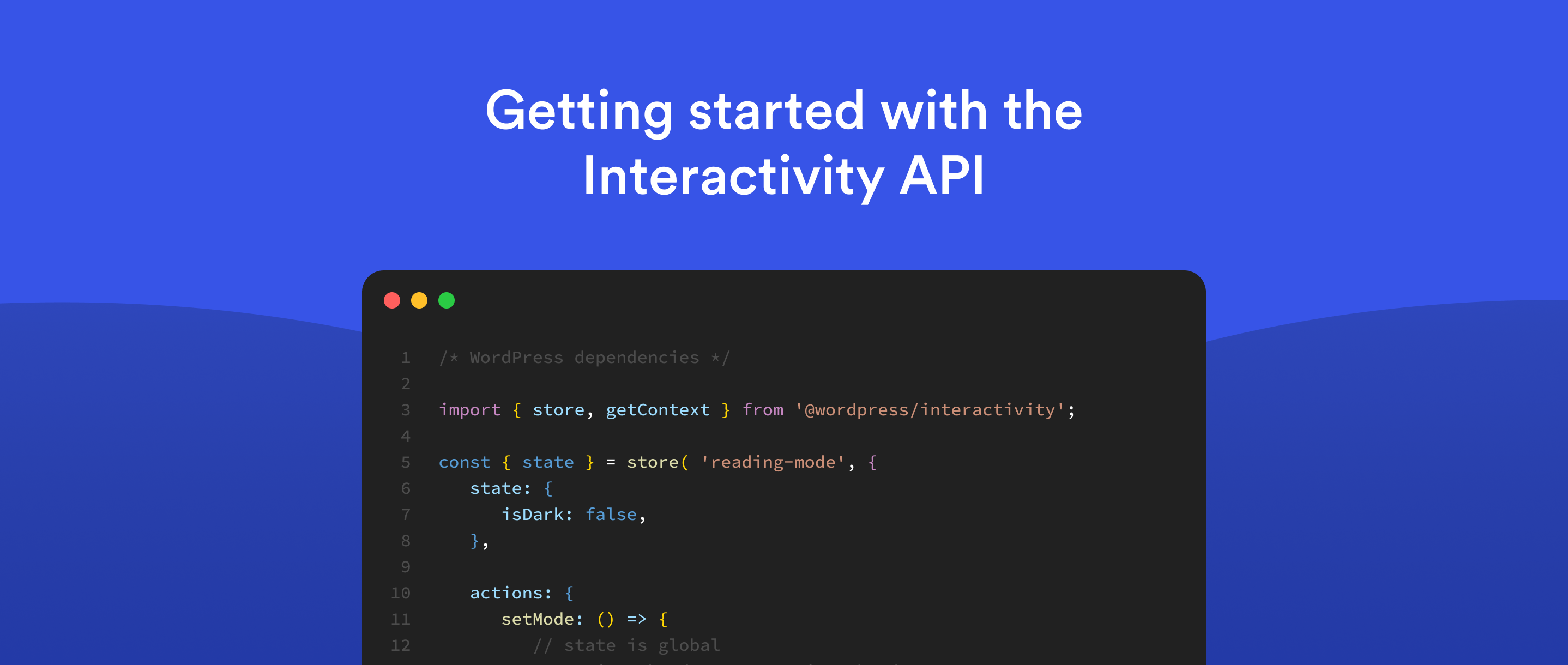
Released as part of WordPress 6.5, the API gives teams a structured path to build front-end features directly within the WordPress framework, removing the need for custom JavaScript, third-party functionality, or even fully decoupled front ends. In effect, it provides a framework for building feature-rich, highly interactive front-end experiences in a traditional WordPress configuration, without the expense and complexity of maintaining a headless frontend just to deliver modern experiences to users.
In non-technical terms, that means it offers a straightforward way for developers to create interactive elements that respond to user actions – such as content filters, search previews or ‘read more’ buttons – without requiring new plugins or bespoke code each time.
Because this behaviour can be added directly into themes and blocks, features can be developed once, maintained centrally, and rolled out consistently across pages, sites, brands or regions. Developers work within the existing WordPress system, and editorial teams can use interactive components as part of their content, without waiting for custom functionality for every new use case.
Providing a more stable, scalable approach to delivering interactivity across web pages, sites, and publishing networks, the API is also a big step away from the patchwork of short-term fixes that tend to build up over time. For teams managing multiple sites, living roadmaps and changing content demands, this means a much more practical way to reduce overhead, standardise delivery, and move faster with new functionality.
Faster iterations, and faster pages
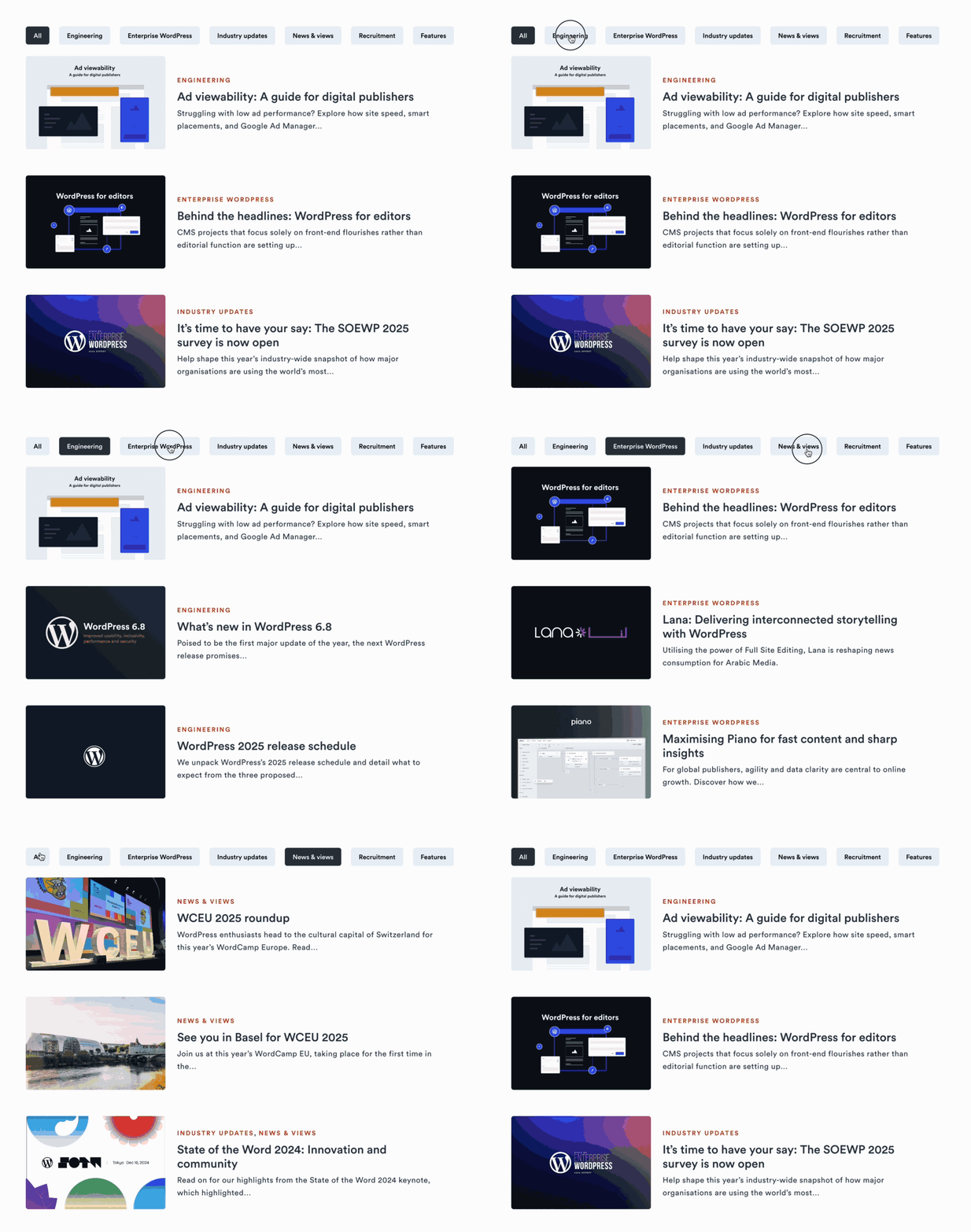
Significantly, the Interactivity API also gives teams space to act on ideas that would otherwise be dismissed, not because they lack value, but because they’ve historically taken too much time to build, test, and maintain. Small enhancements such as inline content reveals, live filters, pop-ups, or image lightboxes often get parked in favour of bigger-ticket items. With the Interactivity API, those features are now realistic to scope and ship.
That shift changes how roadmaps get built. Product teams can trial front-end features without deep integration work, developers can work faster with less rework, and fractional improvements don’t have to be deprioritised just because they’re difficult to deliver.
Additionally, with interactive features handled natively, there’s no reliance on bulky scripts or client-side frameworks. Features only load when needed, helping pages stay fast and lightweight, which is particularly important for mobile performance, Core Web Vitals, and rankings across search engine results pages.
Big brands using the interactivity API
As an agency that partners with enterprise brands, we’ve already used the Interactivity API to build a vast range of real-world features.
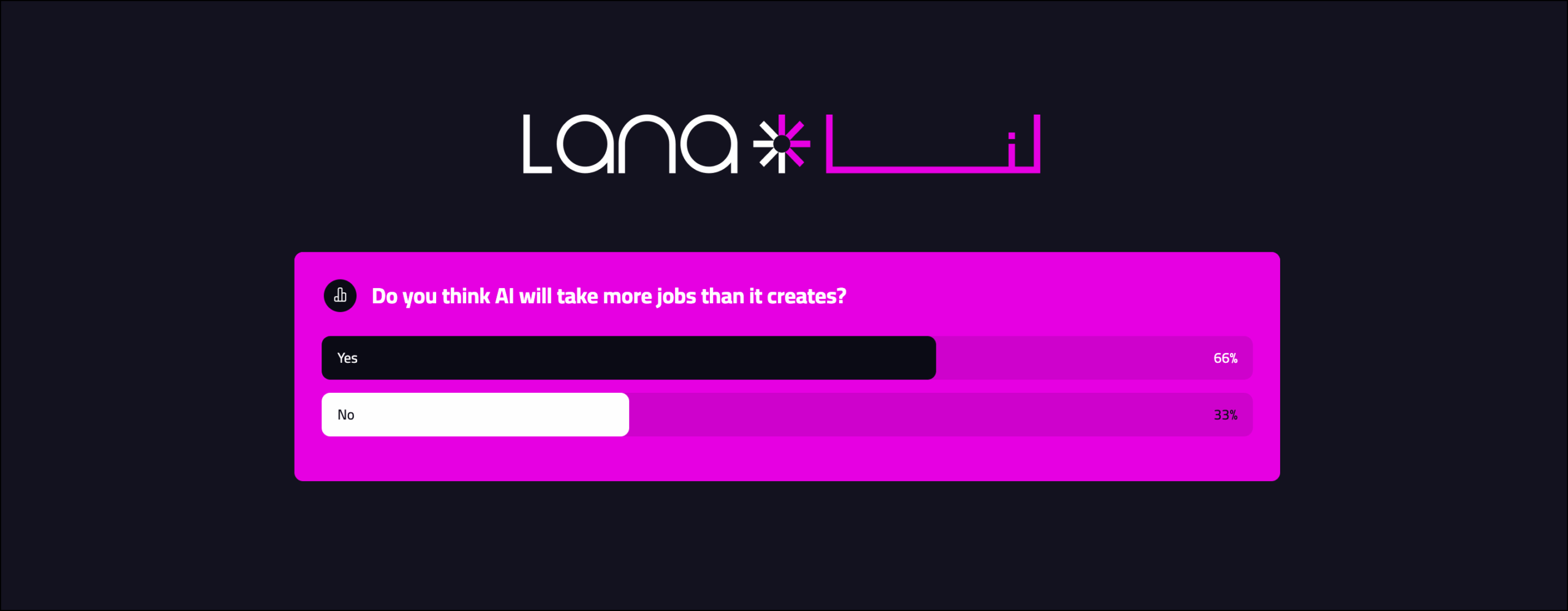
On behalf of Lana, one of the leading Arabic-language media networks, we leveraged the Interactivity API to power a rich, immersive experience across multiple channels. Real-time audience polls are embedded directly into articles, giving users the chance to vote instantly and see live results without leaving the page, and curated program listings update dynamically based on region or category. The site’s menus and content sections are also managed through interactive components that adjust to the user’s journey, making the experience more relevant and intuitive at every step.
The Interactivity API is already changing the way enterprises can build and manage user-facing features, allowing publishers to introduce meaningful interactivity without increasing complexity behind the scenes. By working within the WordPress framework, teams can reduce overhead, improve performance, and move faster across multiple sites and markets, and as demand for responsive content grows, the API sets the standard for what a future-proofed publishing platform should do.
If you’re exploring how WordPress can support better ways of working across product, editorial and engineering, we can help. Get in touch with our team today to find out how.